

“We all have a dream tucked away in a drawer.
What truly matters is opening that drawer one day.” (Paola Di Vincenzo)
“The decision to take part in the call for Young Entrepreneurs, and specifically in Measures 112, ‘Setting Up of Young Farmers’, and 311, ‘Diversification into Non-Agricultural Activities’, under the 2007/2013 Rural Development Programme, dates back as far as 2008.
It was a long journey, the one I travelled within this programme — a path that, at times, put me sorely to the test. Between its publication and its completion, this project spanned almost ten years: years filled with paperwork, bureaucracy, deadlines, appeals, authorisations, extensions, surety bonds, professional appointments, travel, research, expert reports, surveys, permits, inspections, and everything else one could possibly imagine… and yet it was a project in which I always believed deeply, despite the obstacles and the many changes that, in the meantime, also touched my own life.
Believing in it was, for me, the only way to give hope and continuity to my lands…
And not only to them…
In these places and through this time, I have poured in effort, hard work, and energy… I have invested dreams and dried my tears.
Yet without the heart, determination, and resolve that I have always kept alive within me, I would never have been able to bring any of this into being.
Nor was it ever easy to bring everything into harmony.
From the very beginning, anyone observing the distinctive nature of my family estate has often found it somewhat unusual.
Indeed, in its particular character, the estate is made up of three separate landholdings, with adjoining rural buildings, spread across three different municipalities — Naso, Tortorici, and Castell’Umberto — each with its own altitude, cultivations, and landscape features.”
One moves from the plain of Naso, just a short distance from the sea, to the hills of Castell’Umberto, and finally reaches the high mountains of Tortorici, in the Abbadessa district, bordering Floresta — a municipality that holds a small distinction, being, at 1,275 metres above sea level, the highest town in all of Sicily.
Whoever approaches this estate discovers landscapes, tree crops, and elevations that are profoundly different from one another, yet at the same time rich in remarkable potential.
This varied setting, which at first glance might appear confusing or even disorienting, I chose instead to read “strategically” as a unique opportunity, transforming what might seem a handicap — from a management and above all logistical point of view, given the fragmented nature of the estate itself — into an exceptional strength.
The location of the buildings across different territories naturally creates, almost unintentionally, a diversified offering, and also represents a favourable condition for discovering the variety of places that Sicily itself has to offer.
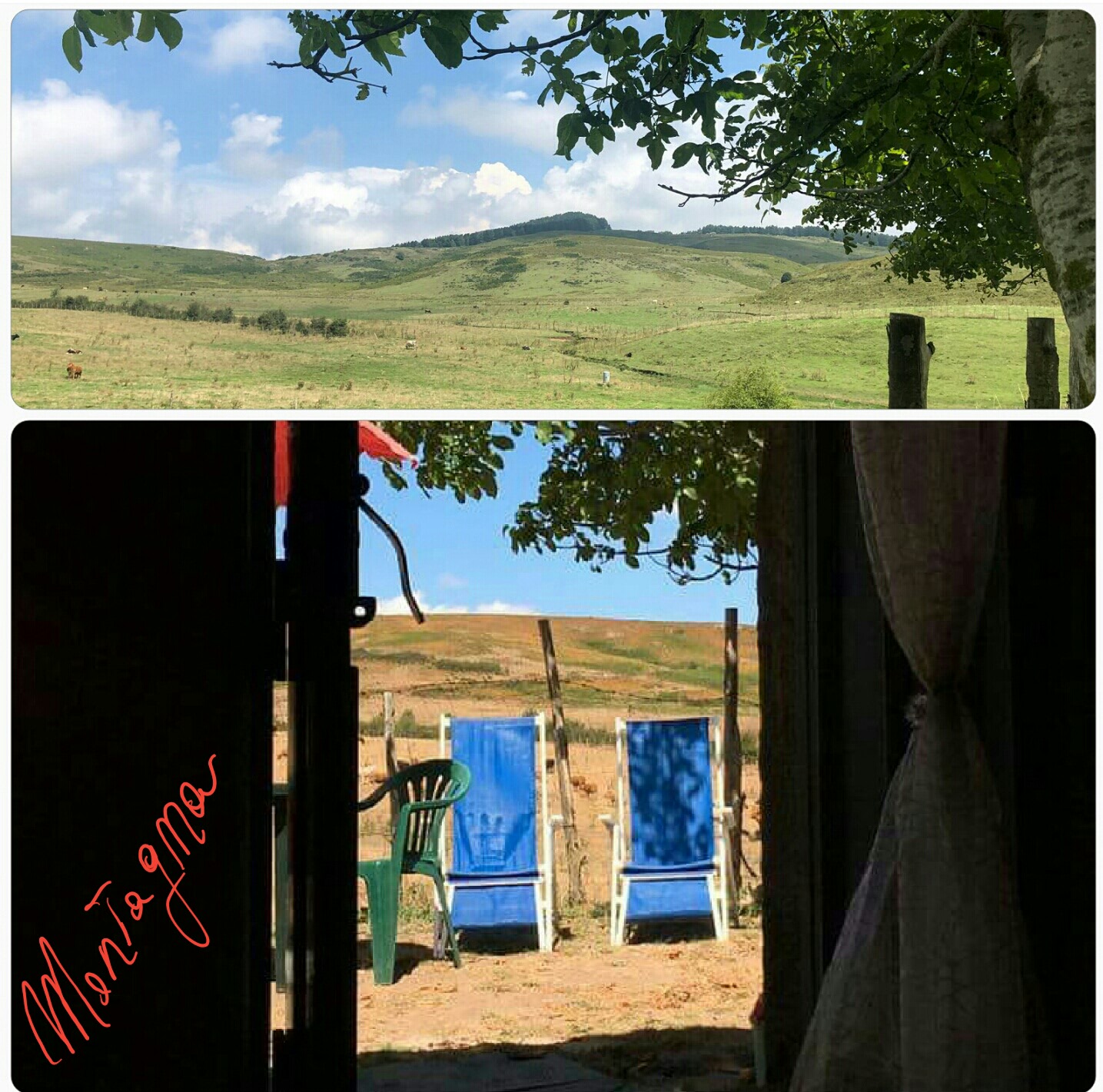
One need only consider how the landscape changes along the road leading to the Abbadessa houses: one leaves behind the greener, more luxuriant Nebrodi, with their hazelnut groves and oak woods, only to arrive before an unexpected scene — a valley given over entirely to pastureland, where steppe-like stretches alternate with woods of chestnut and maple trees (the last of these woods is, in fact, known as the “Castagnera”).
Our guests will therefore have a variety of possibilities to choose from.
They may decide, indeed:
1) a distinctive itinerary within the Nebrodi Park (Tortorici/Floresta), set in an enchanting landscape with Mount Etna as its backdrop, where during the summer months guests may witness the cheesemaking process, the preparation of traditional cheeses and ricotta, and enjoy a nature-based stay in complete seclusion. A true journey back in time, where the only real “connection” is with nature and the herds grazing nearby (to this day, in fact, neither telephone service nor television has reached this place, and internet reception is available only at one specific point in front of the entrance to the house) (Casa Abbadessa – Tortorici);
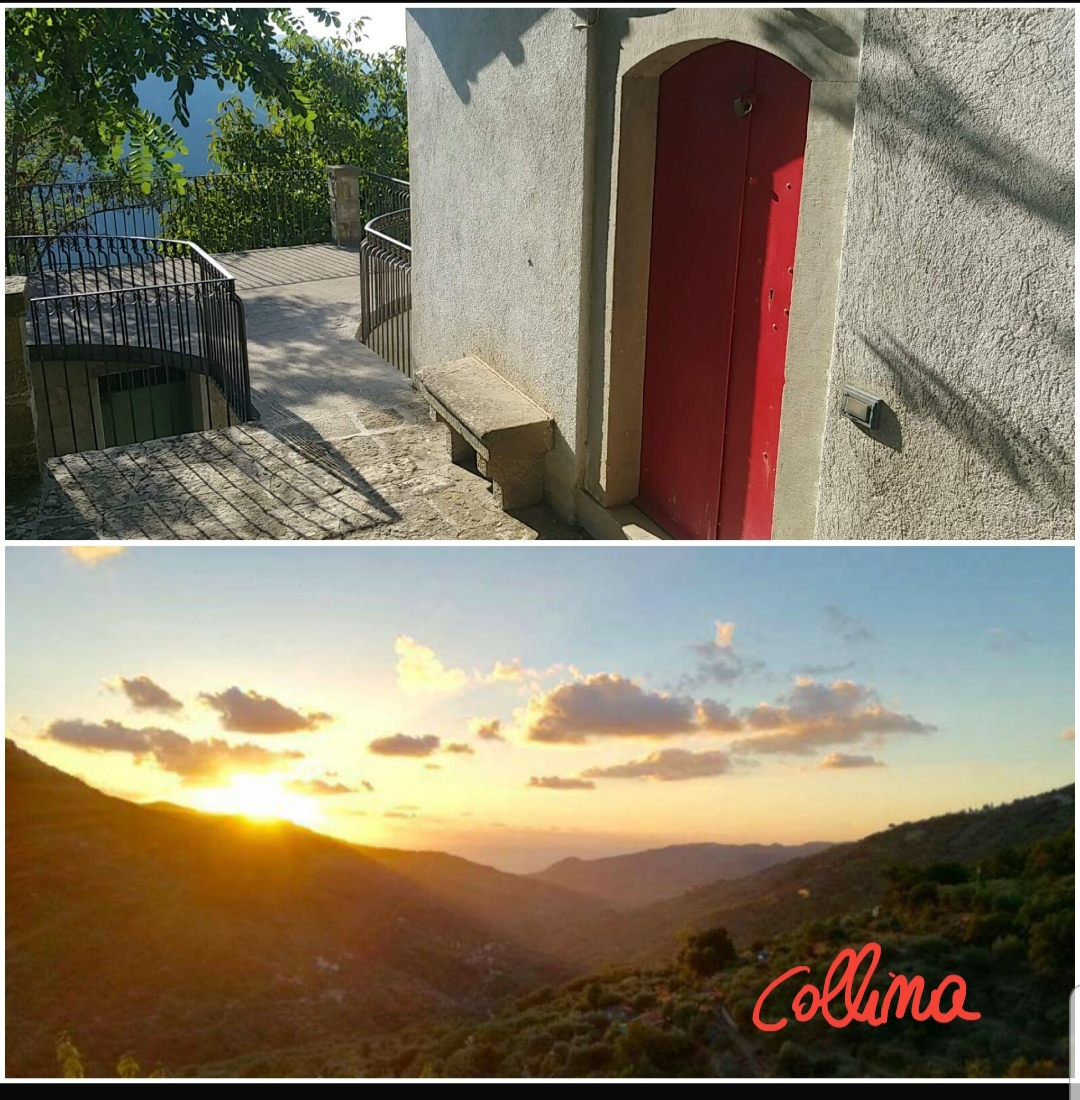
2) or the greenery of an estate cultivated with olive groves, citrus trees, and hazelnuts, set on a natural terrace overlooking the Fitalia stream (Casa Gorna – Castell’Umberto), or bordering woodland that reflects the unspoilt nature of the area and provides a special setting for nature walks through the oak woods in search of local flora (dog rose, chestnut trees, downy oaks, butcher’s broom, hawthorn, broom, and more) and native fauna (magpies, woodcocks, barn owls, foxes, hedgehogs, and more) (Dimora Presti – Castell’Umberto);
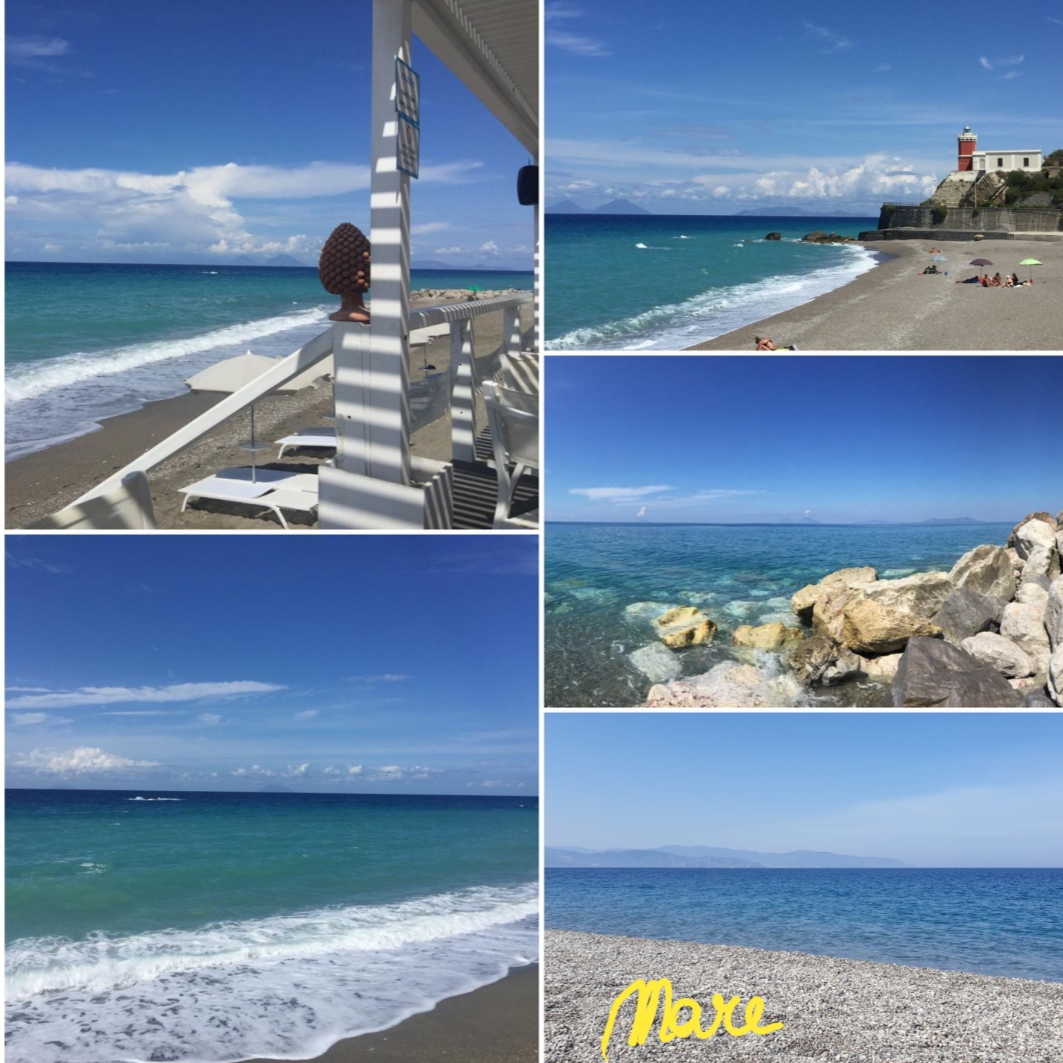
3) or, finally, a stay devoted entirely to the sea, in the total relaxation of the dolce far niente, by the pool, with the possibility for sea lovers of morning excursions to the Aeolian Islands (Due Fiumare West House – Naso), or, for trekking enthusiasts, of fascinating outings to the nearby villages of Mirto (Costume Museum), Longi (Adventure Park), Galati (Catafurco Waterfalls), or Frazzanò (where the Monastery of San Filippo di Demenna is particularly evocative).
Hospitality offered through properties located in different areas therefore “naturally” embraces different needs, harmoniously bringing together “sea, hills, and high mountains”: a perfect synergy for all that these places have to offer.”
Palermo, April 2017.
Azienda agricola ‘Le Nostre Terre s.s.’
P.Iva 03279250835
C.da Due Fiumare 29, 98070 Naso
(Messina)
agriturismodonnacettina@gmail.com
+39 349 5620850